When Words Come Back and Forth

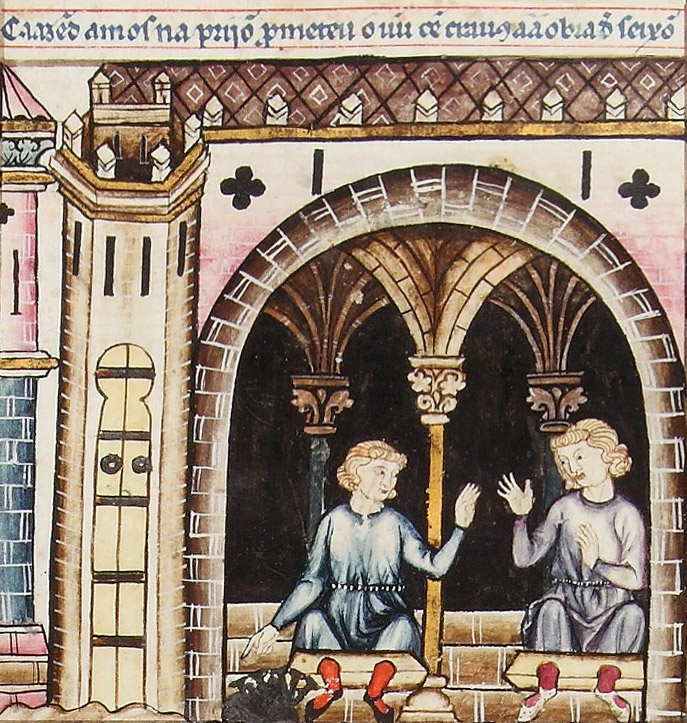
French and English are like two brothers raised in the same medieval household: the elder, French, spent centuries looking down on his scrappy younger sibling across the Channel – until, somewhere around the 20th century, the younger brother got a job in Silicon Valley, started wearing better sneakers, and never looked back. Ever since, English has been feeding French a steady diet of anglicismes: some arrive because they sound effortlessly “cool” (itself now an unavoidable French word), some ride in on American tech and pop culture. Although, most of the time, they just muscle out a perfectly good French word for no reason at all, at times, they truly fill a gap – shorter to say, or naming something French hadn’t quite named yet. But here’s the delicious twist: a good number of these invaders newcomers are actually French mid-tier pop stars returning from a very long tour abroad. So let’s kill two French birds with one English stone — ten words you can now use in French, accent and all, while secretly knowing you’re just borrowing your own grandmother’s vocabulary back.
Easy – T’inquiète, cet exam c’était easy.
In French, it’s become a slang word for effortless, no sweat. It comes from the Old French aisié, meaning comfortable, at ease – even wealthy. Today’s descendant, aisé, still means well-off or comfortable (“une famille aisée”), while aise survives in être à l’aise (to be comfortable) or mal à l’aise (incomfortable). So the exam wasn’t just easy. It was rich.
Challenge – C’est un vrai challenge, ce projet.
Meaning a tough goal to rise to. It descends from Old French challonge, an accusation or dispute, from Latin calumnia. That root gave us calomnie – slander. So next time your boss hands you a “challenge,” relax and remember he’s not challenging you in a sword duel.
Coach – Elle s’est mariée avec un coach sportif.
A trainer, a coach. It comes from French “coche,” a horse-drawn carriage. As such coches have now been replaced by impolite Parisian taxi drivers, you won’t make much use of it. Yet, it remains a word in two, very frequent French idioms:
– louper le coche (to miss the boat)
– être/faire la mouche du coche, (be the coach’s fly) mostly used to criticize someone who acts busy while not helping or simply being a hindrance. If you wonder where this apparently silly idiom comes from, do have a look there, it’s maximal French culture: https://ceciestlafrance.com/11833-2/
Tennis – On fait un match de tennis ?
The sport itself of course, but it may also mean “tennis shoes, sneakers”. Je suis à l’aise dans ces tennis. It likely comes from tenez! – “here it comes!” – shouted by servers in old jeu de paume. Where it becomes interesting is that this expression, tenez !, (or tiens) is an unescapable French interjection: you use it whenever you hand something to somebody, to express mild surprise, or to draw somebody’s attention. Tenez, je viens de l’attirer, votre attention.
Design – Le design de ce site est top.
Meaning visual style or product form. It comes from Old French desseign/dessein, meaning intention or plan. Dessein still means purpose or aim in formal language, while un dessin means a drawing. So “design” isn’t just how it looks – it’s the plan behind it, which is exactly what your designer will tell you when you complain about the invoice.
Cash – Tu payes en cash ou en carte ? Meaning physical money. It traces to Old French casse, a money box, from Latin capsa. That gave us caisse – register, till, crate, so either the place where you pay or the box the money goes into. But more frequently used, it’s a very common slang for “car”. Mais où j’ai garé ma caisse ?
Standard – C’est le standard de l’entreprise.
Meaning a norm or default. It comes from Old French estandart, a rallying banner planted on the battlefield so troops knew where to regroup. Modern French kept “étendard” for flag or standard-bearer symbol. The word is still found in the French national anthem, l’étendard sanglant est levé. Seems the French Revolution had bloody good standards.
File – Envoie-moi le file par mail.
A digital document, which is often translated as fichier. It comes from Old French filer, to thread onto a string — literally how documents were once organized, skewered on a spike. Un fil today means a thread, a string : you find is used literally, as in le fil de mon chargeur est cassé, or figuratively, in expressions such as passer un coup de fil (give a call), perdre le fil de quelque chose (to lose the thread of something) or un fil d’actualité (a news feed).
Post – Tu as lu mon dernier post sur LinkedIn ?
A social media update. It comes from French “poste,” a fixed position or place, from Latin ponere, to place. “Poste” today still means job position or police station. So your Instagram post and a police post are etymological siblings — which explains why oversharing online can occasionally get you into the same kind of trouble.
Manage — Il faut mieux manager l’équipe.
To lead, organize, direct people. Contrary to popular belief (and no, not “ménage,” despite how tempting that theory is for anyone who’s had to tidy up after a chaotic team meeting), it actually comes from French “manège” — the art of training and handling horses in a riding ring. “Manège” today still refers to horse-training rings, and, delightfully, to funfair carousels. So when your manager “handles” the team, they are, linguistically speaking, either breaking you in like a stallion or spinning you around in circles for entertainment. Draw your own conclusions.
So there it is: fifteen minutes of French pretending to be foreign, only to be unmasked as homegrown all along. Next time someone in a meeting says “on va manager le planning et challenger le design,” feel free to smile — you now know you’re really just listening to very confused medieval French with a bad accent.


Responses